
Truck Tyre Specifications: What to Check Before Buying
Confirm tyre markings, axle position, condition and replacement availability before agreeing on a truck specification.
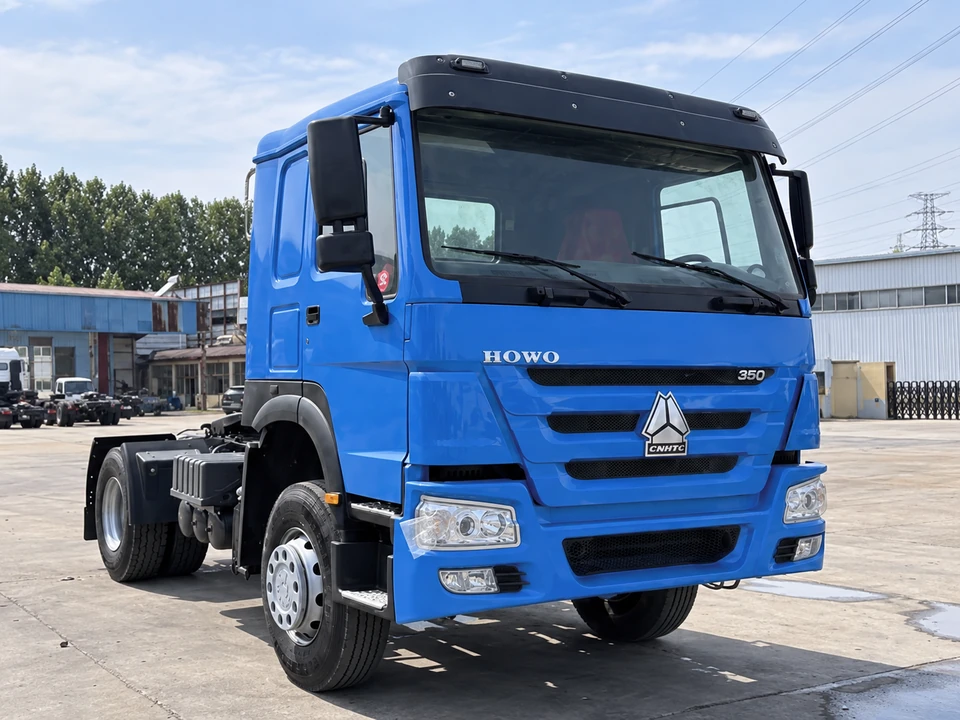
Ask for the specification of the actual vehicle
A quotation that only says 'standard tyres' leaves room for misunderstanding. Ask the seller to list the tyre brand, product line, complete size and service markings, fitted quantity and spare-wheel provision. Request readable sidewall photographs for the actual truck, identifying steer and drive axles separately. Keep those details with the quotation so later changes are visible. The vehicle photograph on this page illustrates the catalogue; it does not establish a particular tyre size or brand for every truck offered.
Read the complete marking, not just the rim diameter
In a metric size such as 315/70R22.5, 315 is the nominal section width in millimetres, 70 is the aspect ratio, R indicates radial construction and 22.5 is the rim diameter in inches. This is an example, not a recommendation for the pictured vehicle. Also record the load index and speed symbol. Compare the full specification with the vehicle and wheel requirements; matching one number is insufficient. Ask the tyre supplier to confirm any size change, including clearance and dual-tyre spacing where relevant.
Match the axle position and operating conditions
Describe the intended work: road haulage, frequent local deliveries or mixed road-and-site operation. Record expected loads and typical surfaces. Steer, drive and trailer positions can require different tyre designs, so confirm the intended position rather than judging by tread appearance alone. The manufacturer's vehicle requirements remain the starting point. Fitting a higher-capacity tyre does not increase the axle load approved for the truck. Have the proposed combination checked against the relevant vehicle, wheel and tyre information before accepting a substitution.
Separate tyre age, appearance and condition
For a used truck, ask whether each tyre is new, used or retreaded, and request its identification and manufacturing-date markings where provided. A production date is useful evidence, but is not a condition report. Photographs cannot settle every question about a tyre's history. Arrange an inspection by a qualified tyre professional before use, especially where there are visible defects or incomplete records. If replacement tyres are included in the sale, put their agreed specification and the scope of replacement in writing instead of relying on a general promise.
Check replacement availability before finalising the order
Send the proposed tyre details to a service provider at the destination. Ask whether matching approved replacements, compatible wheels and fitting services are available locally. Keep the answers in your purchasing file rather than assuming every size is equally easy to source. When requesting a truck quotation, include the destination, working conditions and any confirmed tyre requirements. Ask the seller to flag unavailable options and obtain your agreement before changing the specification. This gives both sides a clear record for comparing offers and inspecting the delivered vehicle.