
Engine Brake or Retarder? Verify the Truck's Fitted Equipment Before Buying
Before comparing truck offers, confirm which auxiliary braking system is actually installed, rather than relying on a brochure option or a dashboard switch. Match its identity to the vehicle, obtain the correct operating documents and request condition evidence. Put the agreed equipment and outstanding checks in the quotation.
Ask for the system name, not just the word retarder
Ask the seller to identify the fitted device and manufacturer. Auxiliary braking descriptions can refer to different technologies. Cummins describes its Jacobs exhaust brake as restricting exhaust flow to increase engine backpressure. Its Jacobs Engine Brake manual describes a system that changes exhaust-valve operation so the engine absorbs power. These descriptions do not establish that either system is fitted to a particular truck.
ZF describes its Intarder as a hydrodynamic brake integrated into the transmission. That is a specific product example, not a synonym for every engine brake or proof of fitment on every ZF-equipped truck. If an offer says only retarder, request the exact device designation and ask whether it means an exhaust brake, an engine brake, a separate retarder or a combination.
Separate an available option from an installed item
Request the truck's chassis identification, engine and transmission references, and a build or equipment record where available. Ask the supplier to connect those records to the offered vehicle and identify the auxiliary brake separately. A range brochure lists possibilities; it does not settle the equipment of an individual new or used truck.
For a claimed retrofit, request the installation details, component references and evidence that the installation was checked for the actual vehicle configuration. Ask a qualified workshop to resolve mismatches between records, hardware and controls. Record any item that remains unverified. An unlabelled lever or a photograph from another truck should leave the fitment question open.
Match the controls and manual to the actual vehicle
Obtain clear photographs of the relevant controls and display indicators, together with the applicable vehicle and system manuals. The Jacobs manual notes that controls differ with configuration and cab design and directs readers to the vehicle manufacturer's instructions for differences. Do not assume another truck's switch positions, activation logic or braking levels apply to this one.
Ask the supplier or qualified technician to explain the fitted controls using those documents. The Jacobs manual distinguishes its slowing function from the service brakes needed to stop the vehicle. Buying an auxiliary brake does not remove the need to inspect the service braking system. Use the actual manufacturer's limits and instructions rather than a generic downhill-driving demonstration.
Request condition evidence as well as equipment evidence
For a used truck, request dated inspection and service records for the identified system. Ask what was inspected, what faults were found and which repairs remain outstanding. Where diagnostics are supported, have a qualified technician provide a report tied to the vehicle identity and explain its limitations. A dashboard without a warning message is not a complete condition report.
Any functional assessment should follow the applicable manufacturer procedure in suitable controlled conditions, carried out by competent personnel. Request the written findings rather than an improvised public-road test. Confirm that the destination workshop can identify and service the exact device, and ask for the applicable maintenance information before agreeing to any repair or parts allowance.
Put the verified equipment in the quotation
Compare offers using the same record: vehicle identity, exact auxiliary brake, evidence of installation, supplied controls and manuals, current condition and unresolved checks. Mark optional equipment separately from included equipment. For any claimed braking output or operating suitability, request the matching manufacturer's data and have the proposed application reviewed; do not substitute a headline engine power figure.
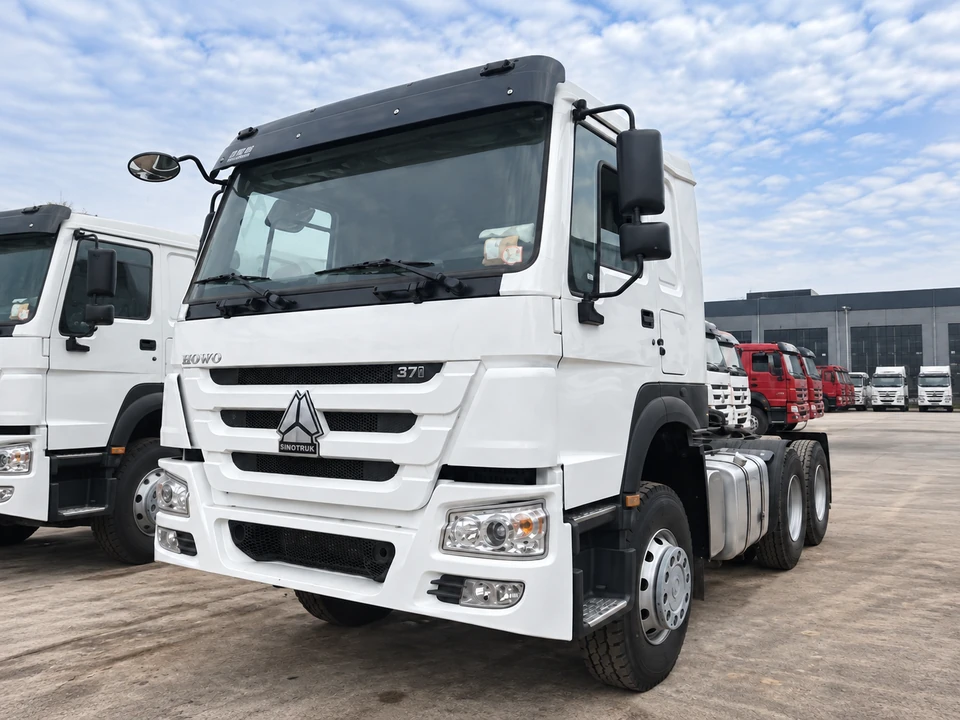
Include the truck model, new or used condition, intended load, route and destination in your enquiry. Ask for the confirmed equipment and agreed inspection documents to appear in the written offer. The HOWO tractor photo is a catalogue illustration; it does not verify an engine brake or retarder on the pictured vehicle or on a truck offered for sale.