Buying Truck Spare Parts: Verify Authenticity Beyond the Part Number
When a part is sold as a particular manufacturer’s genuine product, ask for a traceable source and follow that manufacturer’s applicable authentication process. Connect the result to the actual package and supplied item. A catalogue-number match answers a fitment question; it does not, by itself, establish the origin of the physical part being offered.
Write down the exact brand-origin claim
Ask the supplier to state the brand, product description, part reference, condition and claimed source on the offer. Clarify whether the item is being offered as that manufacturer’s genuine product or as a replacement supplied under another brand. Keep compatibility, condition and brand-origin claims separate; an alternative-brand offer should not silently become a promise of a different manufacturer’s genuine part.
ZF warns that counterfeiters can make vehicle parts look genuine and that packaging varies by manufacturer and product. Treat inconsistent printing, labels or descriptions as reasons to investigate. A convincing logo, substantial weight or a familiar price is not an authentication method. Ask what evidence supports the claim for the actual item rather than judging a supplier’s generic product photograph.
Check the supply channel through the manufacturer
If a seller claims to be an authorised distributor, check that claim through the manufacturer’s current official channels. Match the business and contact details to the seller supplying the goods, and clarify any intermediary. Retain the quotation and invoice references so the source enquiry concerns a particular transaction, not merely a company name appearing in a photograph or badge.
ZF directs buyers to its Partner Finder for official distributors, while Cummins recommends buying through its authorised distributor or dealer network. These are brand-specific resources. Use the corresponding manufacturer’s own website to locate the appropriate channel; a seller-provided logo or link does not replace an independent source check. Neither example establishes another supplier’s authorisation or a truck’s installed component brands.
Use the authentication method for the actual label
Check the manufacturer’s current guidance before deciding which label or code a package should have. Cummins’ authentication FAQ describes legacy labels, hologram labels and newer secure QR labels during its transition. Existing inventory is not relabelled. The absence of the newest QR label alone therefore does not establish that a Cummins part is counterfeit.
For eligible Cummins labels, follow the process linked from its official authentication page and retain the result for the physical package checked. Do not apply Cummins’ label rules to another manufacturer. If a label type or verification outcome is unclear, seek assistance through the brand’s published support or authorised channel instead of converting uncertainty into a definite genuine-or-fake verdict.
Keep the security seal and product evidence connected
Bosch’s Protect Assistant explains that selected Bosch packages carry authenticity seals. For a package covered by that system, its guidance combines inspection of the stated security features with entry of the security code through the official service. This does not mean every Bosch product, or every truck spare part, must carry the same seal or code.
Record which item and package were checked, the official channel used, the date and the displayed outcome. Keep clear package and product photographs with the purchase record. A successful check shown for some other package is not evidence for the item delivered. Confirm that the supplied brand, reference and quantity still correspond to the order and the evidence reviewed.
Resolve concerns before accepting or installing the part
For an unexpected result, retain the physical item and relevant records while asking the manufacturer or its published support channel what further evidence is needed. Cummins provides a suspicious-product reporting route and says concerns are reviewed; a report does not itself promise a refund or replacement. Agree discrepancy handling with the seller and keep any response with the order.
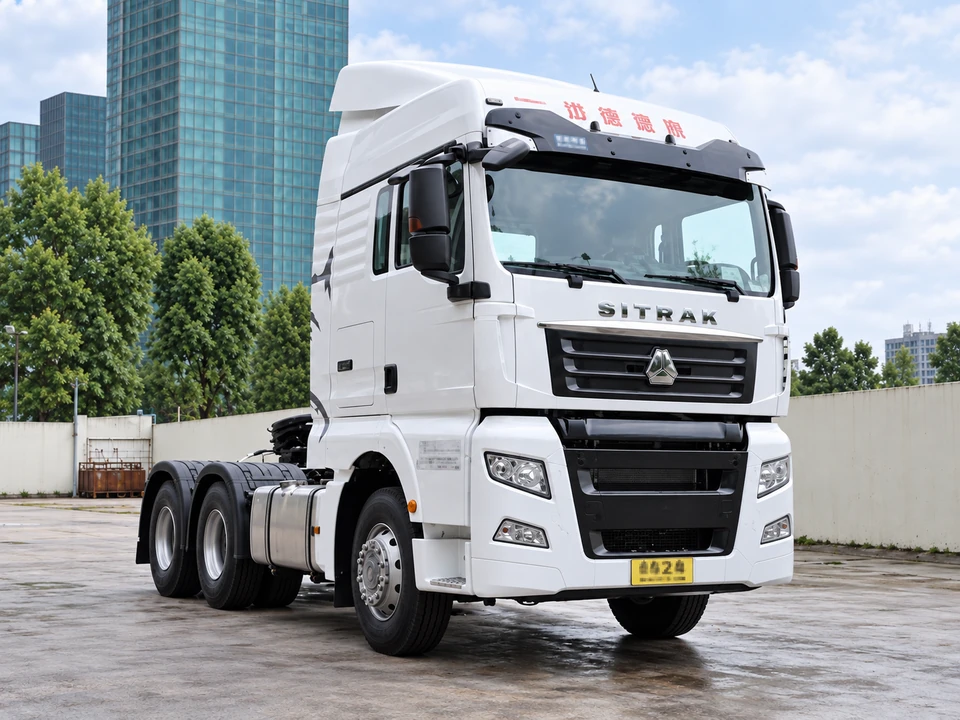
Authenticity checks do not replace the separate fitment confirmation or a competent installer’s condition assessment. For a parts-support enquiry alongside a truck order, specify the claimed brand and items, then ask which sourcing and verification records can be supplied. The SITRAK photograph is a catalogue illustration; it proves neither parts authenticity nor stock availability and does not identify the truck’s component brands.