
Buying a Lowbed Trailer: What to Measure Before Requesting a Quote
Record the machine's transport weight and dimensions, then request usable deck measurements, ramp specifications and a checked loading arrangement before comparing lowbed trailer offers.
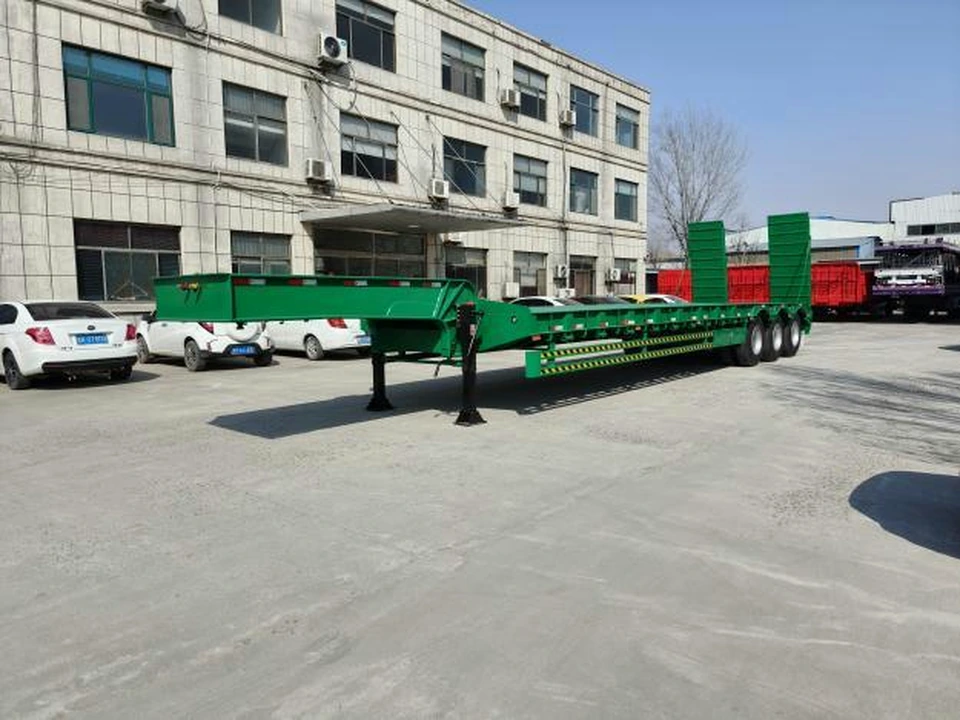
Measure the machine in its transport configuration
Before asking for a lowbed trailer quote, prepare the actual machine's transport weight, length, width and height, including attachments that will travel with it. Record the model and configuration, measurement units and where each figure came from. A model name or an estimated operating weight is not a complete loading brief.
Caterpillar's 307.5 specifications illustrate why the notes matter: published weights depend on track, counterweight and equipment configuration, while transport dimensions refer to a defined machine position. Use the documentation for your exact machine and confirm uncertain figures with its manufacturer or a competent specialist. List buckets, tools and other loose items separately, stating whether they remain fitted or travel elsewhere.
Request usable deck dimensions, not only overall length
Ask for a dimensioned drawing showing the usable loading area, deck width, loaded driving height, gooseneck and rear transitions. Provide the machine's wheel or track contact dimensions and any low-clearance points. Have the supplier show where the machine would sit instead of assuming the full trailer length is available for its footprint.
Nooteboom's OSD(S) range includes different floor heights and fixed or extendable decks. Those are examples of configuration choices, not specifications for every lowbed. If extension or widening is proposed, request the permitted loading arrangement for that exact position, including which areas support the load. Keep the drawing revision with the quotation.
Check ramp geometry and its own load rating
A trailer's headline payload does not establish whether its ramps suit a machine. Faymonville lists distributed-load and wheel-load capacities separately for its single ramps. Request the offered ramp's rating, width, length, spacing and surface, with the conditions under which its rating applies. Do not substitute the deck's capacity for the ramp specification.
Ask a qualified transport operator to review the machine's ground clearance, approach to the ramp and transition onto the deck using the relevant equipment instructions. Include the space and ground conditions at the loading and unloading sites. Resolve a questionable approach or clearance on paper before purchase; this checklist does not replace a loading procedure or an operating assessment.
Check the proposed load position and complete combination
Request a proposed loading sketch and the manufacturer's confirmation of the applicable deck and axle limits and permitted load at the fifth wheel. The available payload alone does not tell you how a concentrated machine load may be positioned. Identify the supplied load-securing points and ask the transport operator to specify the securing equipment and plan.
Provide the tractor details and intended route to the people checking the combination. Ask a local transport specialist to verify loaded overall dimensions, axle loads, route access and any applicable approvals. Keep technical ratings separate from permission to use a particular road. Mark unresolved route or loading assumptions clearly.
Send one consistent enquiry pack to every supplier
Send the machine reference, transport measurements, attachment list, proposed loading locations, tractor details, destination and quantity together. Request a written response against the same brief, with a drawing, rating conditions and included equipment. Separate confirmed figures from estimates so suppliers can identify missing information before pricing a configuration.
The lowbed photograph on this page illustrates a catalogue configuration; it does not confirm a particular payload, ramp capacity or machine fit. Ask for the offered trailer's actual specification and supporting documents before deciding. Compare quotations only after the proposed loading arrangements and unresolved checks are clear.