Buying a Trailer: Check ABS, EBS and Tractor Connections
Identify the trailer's actual braking system and match its documented electrical and pneumatic requirements to the intended tractor. Request configuration and diagnostic evidence before accepting an ABS or EBS description in a quotation.
Identify the fitted system, beyond ABS or EBS lettering
Before buying a trailer, identify its fitted brake-control equipment and check the proposed tractor against that equipment's requirements. ABS addresses wheel locking during braking; EBS uses electronic braking control. Knorr-Bremse explains these functions and lists distinct trailer system families. The abbreviations are useful starting points, but they do not identify every component or enabled function.
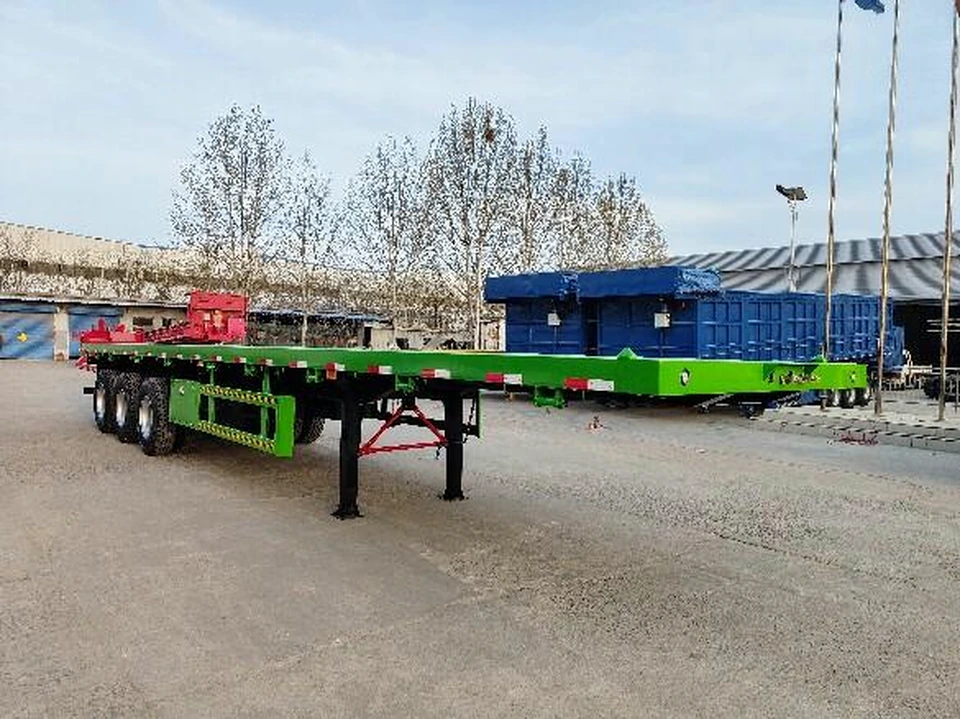
Request the trailer reference, brake-system manufacturer, controller or modulator model, part number and readable identification photographs. Put the same references on the quotation and inspection report. Ask which functions are actually fitted and configured, instead of assuming that a product-family brochure describes the offered trailer. The catalogue photograph on this page does not verify a braking configuration.
Document electrical power and data connections
Ask for the required supply voltage, specified tractor-to-trailer connector and cable references, and any data-link requirements. Record the tractor's corresponding equipment as well. Where the manufacturer's documentation specifies an ISO 7638 connection, have the supplier identify the applicable arrangement for both vehicles. Do not judge compatibility from a socket photograph or pin count alone.
ZF's iEBS information separates modulator variants, functions and interfaces, illustrating why a system name is insufficient. Ask a qualified workshop to check the offered combination against the correct manuals and wiring information. Keep any proposed adapter or wiring alteration unresolved until its suitability is documented; this purchasing checklist does not provide a pinout or a rewiring procedure.
Review the air-brake configuration as a complete system
Electronic equipment is only part of the braking arrangement. Knorr-Bremse describes trailer EBS as combining electronic control, sensors and pneumatic components. Request the applicable air-line and electrical diagrams for the actual trailer, together with its axle, brake and suspension configuration. Ask the supplier to identify the tractor's matching supply and control connections.
Have a competent commercial-vehicle brake specialist review the combination and any changes to the original equipment. Ask what condition and compatibility checks are required, what was inspected and which items remain untested. A general statement that the trailer has air brakes does not settle these questions. Use the relevant manufacturer's procedures and limits rather than pressure values copied from a different system.
Request diagnostic findings tied to the trailer
For a used trailer, request a dated diagnostic report identifying the vehicle, equipment reference and workshop. Ask for current and recorded faults, tests performed, findings and outstanding work. Knorr-Bremse provides system-specific diagnostic and service resources; confirm that the inspecting workshop can support the exact fitted system, rather than merely offering a generic scan.
A dashboard photograph with no warning showing is not a complete brake inspection. If a controller, modulator or related equipment has been replaced, ask for the relevant configuration and commissioning records required by its manufacturer. Agree which findings need repair and how completion will be evidenced. This is a documentation request, not an instruction to conduct an improvised braking test.
Include compatibility and support in the purchase brief
Send the intended tractor's details, trailer type, work, destination and quantity with your enquiry. Request a written response identifying the supplied brake equipment, connecting cables, supporting documents, inspection scope and unresolved items. Confirm suitable diagnostic access and parts support with a workshop at the destination before accepting the configuration.
Keep confirmed equipment separate from optional features or proposed modifications. An ABS or EBS description does not establish the trailer's condition, road eligibility or availability. Compare offers using the actual configuration and evidence for the proposed combination. The trailer catalogue can provide a starting reference; ask for the specific offered equipment before making a purchase decision.