
Buying a Stored Excavator: Ask for Preservation and Return-to-Service Records
Before buying an excavator that has stood unused, request its storage timeline, preservation records and a workshop's return-to-service assessment. A low hour reading or a short starting video does not establish how the machine was cared for while idle. Separate documented work, unknown history and outstanding preparation in the offer.
Build a storage timeline alongside the hour reading
Ask when the excavator last worked, when storage began and whether it changed location or owner while idle. Record the machine identity beside each dated document. Ask whether the location was sheltered or exposed and whether any operation during storage was recorded. An undated photograph cannot establish how long those conditions lasted.
Treat missing dates as unknown information. A seller's statement that the machine was started occasionally is different from a dated service entry. Ask what was actually done and by whom; do not infer preservation quality from low recorded hours or a freshly cleaned exterior. Storage history adds context to a condition inspection rather than replacing it.
Match preservation evidence to the actual machine
Request the applicable manufacturer storage instructions for the excavator's model, serial-number range and fitted equipment. Cat Rentals' storage guidance directs owners to model-specific manufacturer information. Use a workshop familiar with the offered machine to identify the relevant instructions; a general storage article is not the preservation procedure for every excavator.
Ask for dated preparation and periodic-care records, identifying the work performed, responsible person and supporting photographs or work orders. Have the workshop explain any gap between those records and the applicable instructions. Use the actual manufacturer's storage instructions rather than a universal starting interval, tank-fill level or battery-disconnection rule.
Keep fluid evidence attached to its sampling context
If fluid analysis is available, request the laboratory report with the machine and sampled compartment identified, the sampling date and relevant service history. Caterpillar describes analysing oil, coolant and fuel samples to help identify excessive wear, contamination and other issues. Ask the workshop which available results are relevant to this stored machine and what follow-up they recommend.
Ask whether fluids were changed or components repaired before sampling, and retain that information beside the result. A report without that context may not answer your purchase question. Fluid analysis is one input to the assessment; it does not certify the whole excavator, reconstruct missing storage history or replace the checks required before operation.
Commission return-to-service work before a demonstration
Arrange for a qualified workshop to assess the stored excavator before asking for an operating demonstration. Request a written plan tied to its applicable manual, listing preparation completed, further work required and any reasons operation must remain on hold. A short video of the engine running is not a record of that preparation or a complete operating assessment.
Cat Rentals' spring-preparation guide illustrates the value of recording service dates, machine identity, fluids and repairs. For the offered excavator, request a dated completion record that also distinguishes work completed from work merely proposed. Leave starting, charging, fluid handling and operating checks to competent personnel following the actual machine's instructions.
Write the unresolved items into the purchase scope
Use three separate fields in your comparison: documented storage care, unknown history and outstanding return-to-service work. Missing evidence does not automatically prove damage, but it should remain visible. Agree who arranges further assessment, who pays for agreed work and which results you need to review before acceptance. Keep those terms with the quotation.
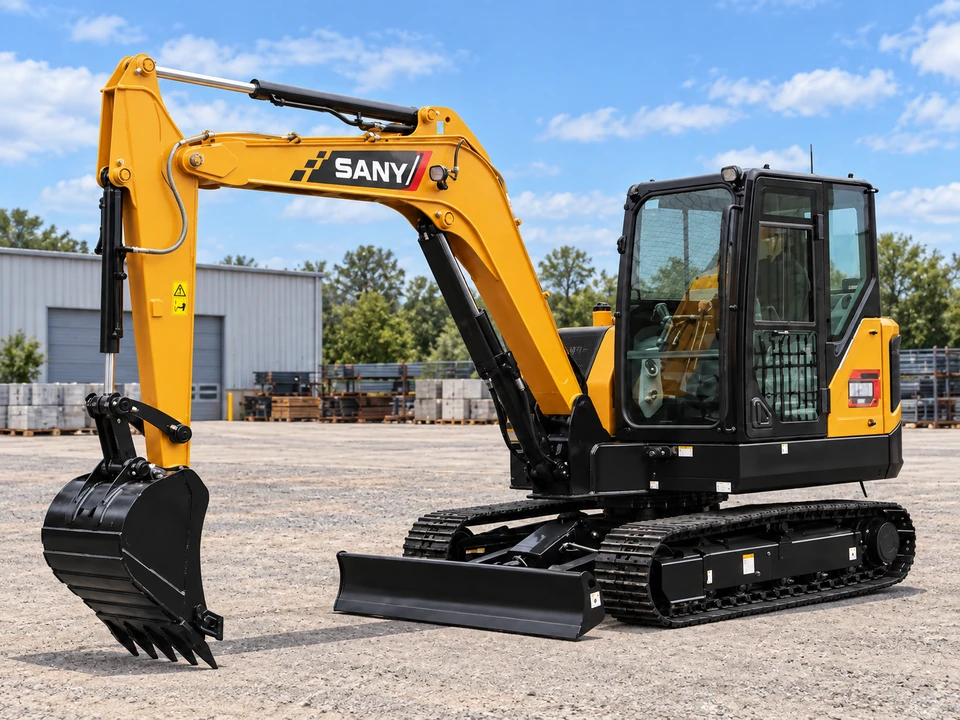
A useful enquiry includes the excavator identification, approximate idle period, intended work and a request for the storage and workshop records above. The catalogue photograph is illustrative: it does not establish the pictured SANY excavator's storage history, condition or readiness. The cited Cat material supports the questions to ask, not a preservation approval or certification for another manufacturer's machine.