Buying a Tractor Truck: Check Rear Axle Ratio Against Your Route
Confirm the rear axle ratio actually fitted, then assess it together with the engine, gearbox, tyres, combined weight and route. A ratio quoted on its own cannot establish whether a tractor is suitable for your work.
Identify the actual axle and ratio
Ask the seller for the exact vehicle identification, axle manufacturer, model, ratio and documentation for the truck being offered. Request clear images of identification plates where available and records of any axle or gear replacement. A model-family brochure or a price list may not describe the components installed in a particular used vehicle. The axle layout, such as 6×4, and the numerical final-drive ratio describe different characteristics; ask for the complete numerical ratio and the manufacturer’s explanation rather than relying on the terms fast or slow.
Dana’s Spicer carrier catalogue lists axle model, part number and differential ratio separately for its own products. That is an example for Spicer equipment, not proof that another axle uses the same identifiers or has the listed ratio. If records conflict or a plate is missing, ask a qualified specialist or manufacturer to verify the fitted components.
Describe the load and route
Provide the usual and maximum planned combination weight, trailer type, road surfaces, expected road speeds and frequency of steep grades. Describe loading sites, slow manoeuvres, stop-start traffic and the proportion of highway travel. Confirm the truck, axle and trailer limits separately; a suitable gearing discussion does not approve a load or route.
Volvo advises beginning axle selection with gross combination weight, topography and the vehicle’s mission. Ask the supplier to document the assumptions used for its recommendation. A truck selected for long, level journeys may face different demands when it frequently starts on slopes or works on rough surfaces.
Match the complete driveline
Request the engine model and torque information, gearbox model and relevant gear ratios, rear axle ratio and fitted tyre size. At the same road speed, engine speed depends on the combination of gearing and tyre rolling characteristics, not the axle figure alone. Ask for the manufacturer’s calculation or written assessment using the actual specification.
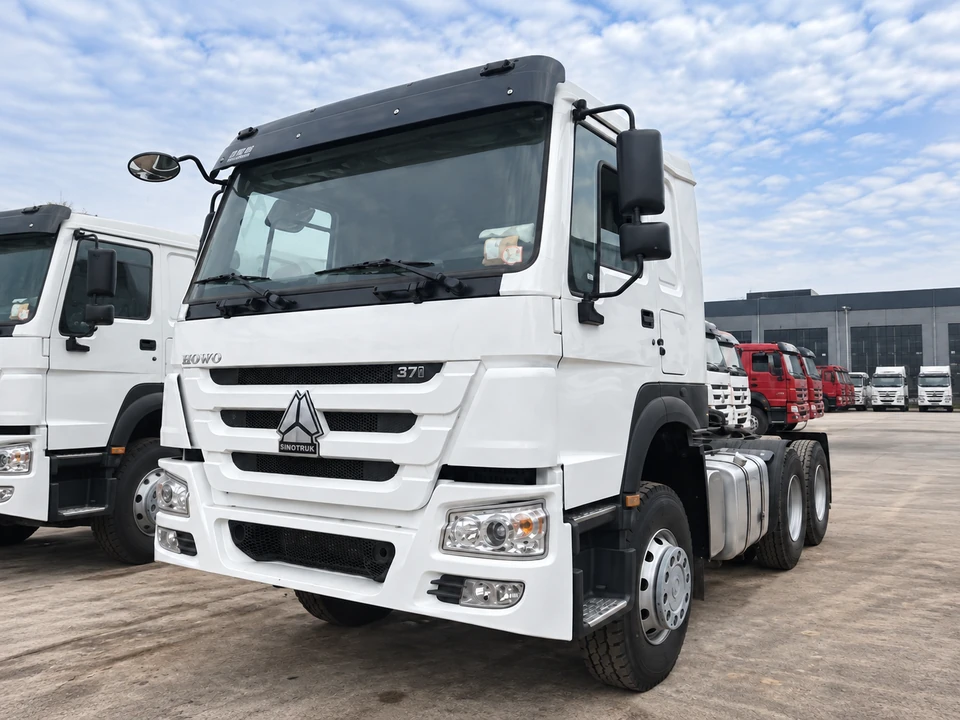
Volvo’s guidance discusses tyre and wheel size, gearbox and axle ratio together, and stresses matching the rear axle to the gearbox. Do not copy a ratio from a different engine, tyre or transmission configuration. The catalogue image illustrates a tractor type; it does not verify the gearing of a particular vehicle.
Discuss starting, grades and cruising
Ask how the proposed combination will handle loaded starts and the steepest grades on the intended route, as well as the expected engine speed at the intended cruising speed. Volvo explains that axle-ratio choices involve trade-offs between climbing demands and engine speed in normal travel. The relevant answer depends on the complete vehicle and work cycle.
A lower engine speed at one road speed is not a guarantee of lower fuel use or acceptable starting performance. Have the manufacturer or a qualified specialist review the proposed gear range and operating conditions. Avoid treating one ratio or a claimed fuel-saving percentage as suitable for every truck.
Put the verified configuration in the quote
Compare quotations using the same route and load assumptions. Ask each seller to identify the offered vehicle, the installed axle and ratio, transmission, tyres and any information still awaiting confirmation. Record whether proposed changes, inspection or replacement parts are included rather than assuming an advertised specification applies to every unit.
Request relevant identification records, service history and a written assessment from the responsible supplier or specialist. Confirm local weight, road and operating requirements independently. A clear record helps distinguish a documented configuration from a recommendation that still needs checking.