Buying a Used Truck: What to Ask for in a Wheel Alignment Report
Request a dated alignment report for the actual truck, showing which axles were checked, the applicable specification limits and the measured results. Read it alongside the mechanical inspection and any repair records; tyre appearance or a statement that the truck drives straight is not a complete alignment assessment.
Identify the truck and the axles covered
Ask for the vehicle identification, inspection date, odometer reading and workshop details on the report. Have the workshop identify each axle and wheel position so the findings can be matched to the offered truck. Clarify whether the scope covers the steer axle, rear axle group and, where relevant, a separately identified trailer.
Hunter's heavy-duty inspection-printout example includes front total toe and camber, plus rear-axle thrust and scrub. It illustrates why a report can contain more than front-wheel readings. Ask which measurements the workshop actually took and how they relate to your axle layout; a generic equipment brochure is not a report for the truck being sold.
Use tyre wear to guide investigation
Michelin lists several possible contributors to irregular wear, including alignment, inflation, suspension, mechanical components and operating conditions. Its diagonal-wear guidance includes possible alignment, balance, wheel-bearing and steering-part issues. A wear photograph can help identify a question for inspection, but cannot establish one cause on its own.
Request a tyre-position record with tread measurements, relevant photographs and the workshop's findings. Ask whether tyres were recently replaced or moved between positions, and keep any earlier records available. Fresh tyres provide little evidence of the truck's previous wear pattern. Have the workshop explain unresolved wear rather than treating replacement tyres as proof that the underlying issue has been corrected.
Record mechanical findings and measurement conditions
Ask the workshop to record relevant steering, suspension and wheel-bearing findings, and identify any repairs needed before final alignment verification. Michelin's guidance pairs alignment checks with inspection for worn components. Keep the proposed mechanical work and the alignment adjustment as clearly described items in the purchase discussion.
Request the vehicle manufacturer's applicable procedure and specification reference. Ask the workshop to document the tyre pressures, loading condition and suspension ride-height condition used for its assessment, where relevant to that procedure. Bridgestone emphasizes correct inflation for axle load. Do not ask a seller to change pressures or suspension settings simply to produce a favourable-looking result.
Keep readings, units and specification limits together
Request the initial readings and the final readings after any agreed work, labelled by axle and measurement. Keep the units and applicable target ranges beside the results. Ask the workshop to confirm the vehicle configuration selected for the comparison and explain entries that were not measured or do not apply.
A colour-coded summary is easier to assess when the underlying values and reference information are available. Ask what any remaining out-of-range result means and what further work or assessment is proposed. A missing measurement should remain clearly identified as missing; it should not be presented as a confirmed satisfactory result.
Agree the corrections and recheck evidence before acceptance
Put the identified faults, included repairs, alignment work and final recheck evidence into the written offer or handover record. Confirm who completes the work and when the final report will be provided. An alignment printout documents a defined assessment; it does not replace a complete vehicle-condition inspection or establish an accident-free history.
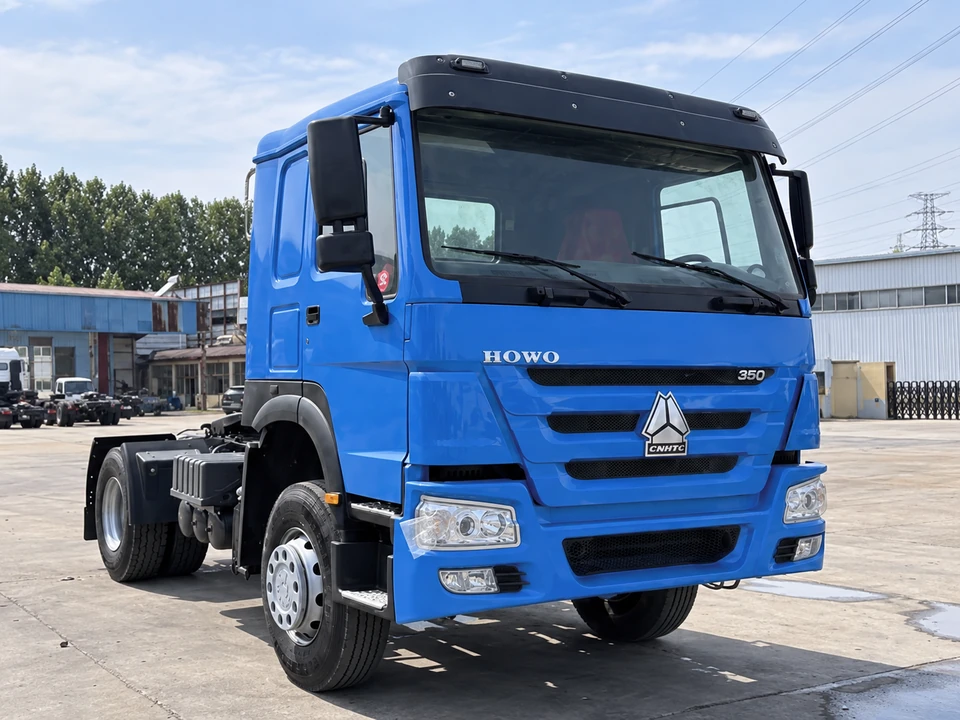
Send the intended work, destination and axle configuration with your enquiry, and ask for the offered truck's inspection scope. The tractor-truck photograph illustrates the catalogue and does not certify that vehicle's alignment, condition or availability. Use the report to resolve specific purchasing questions with a competent workshop before accepting the truck.