
Buying a Water Truck: Match the Tank, Pump and Spray Equipment
Describe the work and water source, then confirm the actual truck's tank, pump, outlets and loaded weight. Tank volume or a catalogue photograph alone cannot establish that a water truck fits a particular job.
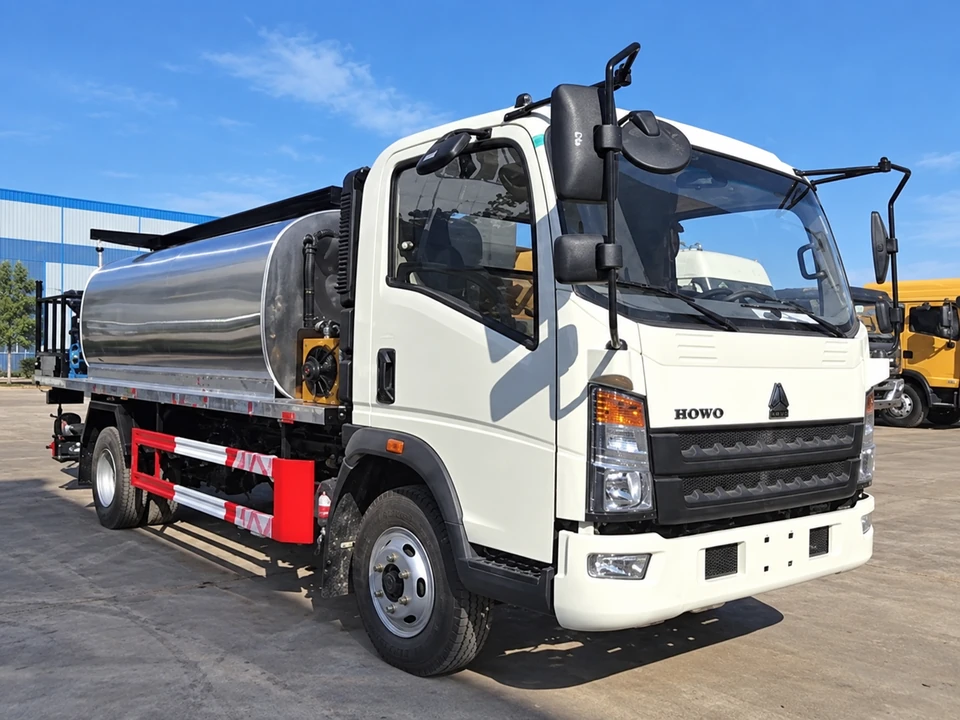
Describe the job and available water source
Before comparing water trucks, explain whether the main job is site dust control, road spraying, water delivery or another task. Describe the route, work surfaces, filling points, expected use and quantity. Tell the seller if you need a hose reel, spray bars or a monitor, and ask which functions can operate together on the offered truck.
Identify the available filling source and connection, such as a hydrant, overhead supply or another permitted source. Tiger Manufacturing describes several filling options for its own drop-on tanks; these do not establish the equipment or permission available for another vehicle or location. Check access and local water-use requirements separately.
Compare tank volume and loaded vehicle weight
Request the tank manufacturer's identification, usable volume, units and the basis of the quoted capacity for the exact truck. Ask for the vehicle's documented unladen or operating weight with its installed tank and accessories, and clarify what equipment, fuel and occupants are included in that weight.
Ask a competent body builder or vehicle specialist to assess the proposed water load, total vehicle mass and individual axle loads against the actual vehicle ratings and local road requirements. A large tank volume does not by itself establish how much water the assembled truck can legally carry on a particular route.
Identify the pump and spray functions
Ask for the pump make and model, drive arrangement, documented flow and pressure at the stated operating conditions, and the applicable units. Confirm how the pump is supplied and whether filling, pumping and spraying require different valves, hoses or controls. A pump flow figure without its conditions is not a complete description of the delivered spray.
McLellan lists several drive options and different water-distribution features for its A-Tank product; Tiger describes gravity and pressurised options for its tanks. These are manufacturer-specific examples, not a claim that either system is installed on the pictured vehicle. Compare the actual quotation, nozzle locations and required spray pattern with the work site.
Review tank construction and the intended water use
Request the tank material, internal coating if any, baffle arrangement, inspection access and maintenance records for the offered unit. Liquid can move inside a partly filled tank; a US commercial driver manual hosted by FMCSA describes how baffles help control forward and backward surge. Baffles do not eliminate the need for an appropriate vehicle, competent operation and a route assessment.
If water is intended for drinking, tell the supplier before ordering and obtain documentation for the complete tank, fittings and intended service. Confirm the applicable local drinking-water requirements with qualified authorities. A tank described as a water truck, stainless steel or coated is not automatically approved or suitable for potable use.
Put the actual equipment and open questions in writing
Request an itemised quotation identifying the exact chassis, tank, pump, spray heads, filling connections, controls and included accessories. Ask for current photographs, manuals and a dated inspection report for a used unit. Record any corrosion, leaks, damage or incomplete information for review by a qualified specialist.
Compare sellers using the same work and water-source assumptions, and clarify what inspection, repairs, documents or spare parts are included. The catalogue image on this page illustrates a vehicle type; it does not verify the pictured truck's tank capacity, pump, water quality suitability or availability.