
Truck Fuel Consumption Claims: Check the Test Conditions
Before comparing truck fuel-consumption figures, request the measurement method, units, vehicle specification and operating conditions behind each figure. Check the load, route, distance and treatment of idling or power take-off work. Keep measured results, estimates and missing evidence clearly identified when reviewing offers for your own duty.
Identify the figure and its measurement scope
Ask whether the seller's figure comes from a measured trip, a fleet average, a simulation or an estimate. Request the dated report and identify the truck, engine, transmission, axle configuration, body or trailer used. A result for another vehicle should retain that vehicle's identity. Horsepower and axle count alone do not establish the fuel use of the offered truck.
Keep the original units visible: L/100 km, km/L and mpg express consumption differently, and mpg needs the US or imperial gallon identified. Ask whether the figure covers diesel alone or includes another consumable. Volvo's cited 2022 test report labels a figure including AdBlue; check the scope before placing such a result beside a diesel-only figure.
Match the load, route and working cycle
Record payload and total operating weight separately, together with the body or trailer configuration. Ask how much of the reported distance was loaded and how much was empty. Describe gradients, road surface, traffic, weather, average speed and stop-start work. Comparing a loaded construction cycle with an empty highway run leaves important differences unexplained.
Volvo's road-test report publishes route distance, gross combination weight and speed information, and notes that actual fuel economy varies with operating conditions. Use those fields as an example of the evidence to request. Its results belong to the tested Volvo configuration and conditions; they are not a consumption rating for a HOWO dump truck or a prediction for your route.
Keep idling and power take-off work visible
For a truck that waits, pumps, mixes or tips, ask how engine-running time and power take-off (PTO) work were recorded. Cummins' fuel-economy guide discusses idling and idle/PTO fuel consumption separately from road operation. Stationary engine work uses fuel without adding road distance, so its treatment matters when interpreting a distance-based figure.
Ask whether the reported fuel total includes that stationary work and whether hours and fuel use are available separately for the same period. Retain the overall total as well as any breakdown. A driving-only average should be labelled accordingly; avoid removing necessary work from the comparison simply to produce a lower number. Use litres per hour only with the corresponding activity and time identified.
Request a calculation that can be checked
For L/100 km, the arithmetic is fuel used in litres divided by distance travelled in kilometres, multiplied by 100. Both totals must cover the same period and scope. Ask how fuel used and distance were obtained, what start and end readings were recorded and whether fuel transfers or missing entries were accounted for. Fuel purchased during a period is not automatically the fuel consumed during that period.
Request available trip logs, fleet reports or a documented fuel-accounting record rather than a screenshot with its reporting period removed. Volvo's Fuel and Environment service illustrates reporting fuel use alongside driving distance. Confirm what the actual truck can record; the cited service is not evidence that the pictured HOWO has that equipment, subscription or reporting accuracy.
Keep the comparison limits with the offer
Put the evidence type, vehicle, reporting period, units and duty assumptions beside each quoted figure. Mark missing information and ask for clarification before treating the offers as comparable. For a used truck, an unexplained consumption difference calls for further assessment; it does not by itself identify an engine fault. Have a competent workshop investigate any condition concern using the applicable manufacturer's information.
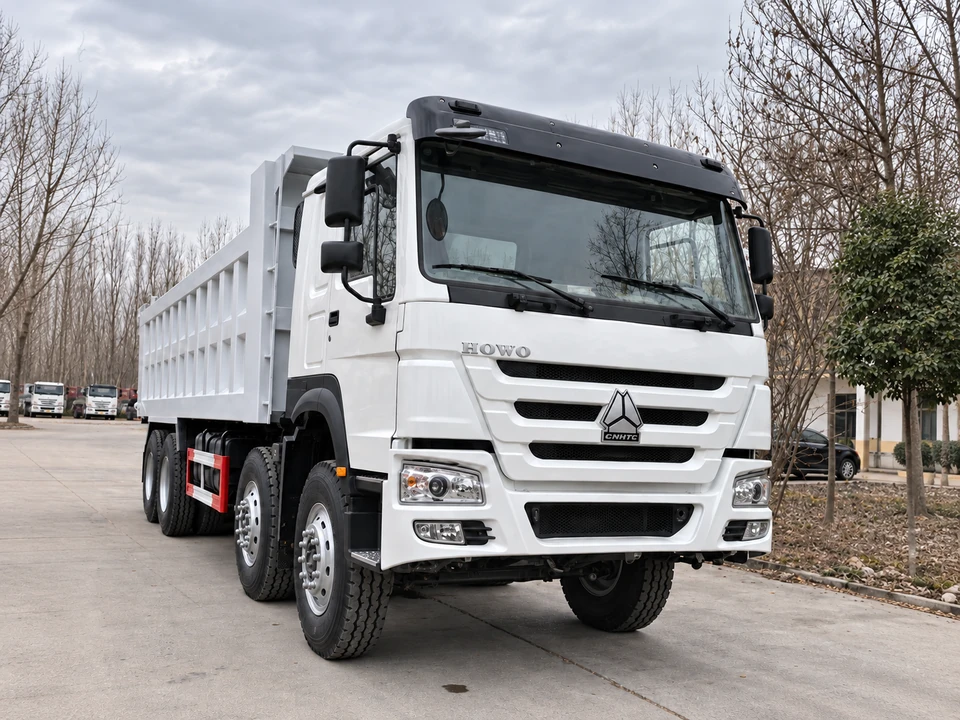
A useful enquiry states your load, route, expected stationary work and available operating records, then asks what measured evidence supports the proposed truck. Agree the scope of any further monitored assessment and record its limitations. The catalogue image is illustrative and carries no verified fuel-use claim. Keep projected operating costs conditional on the evidence and your intended work.