U-shaped or Rectangular Dump Body? Compare the Specification Before Buying
Choose a dump body by comparing the actual cargo, body drawing, material and wear protection, documented capacity and completed vehicle weight. A U-shaped or rectangular label alone does not establish unloading performance, strength or payload. Request the same written specification for each offer before deciding which body suits your work.
Check the drawing behind the shape name
Request a dimensioned cross-section and photographs of the proposed body. Identify the floor profile, side-wall transitions, front wall and rear opening. SSAB describes a U-shaped or half-pipe body as having a rounded profile over part or all of its section. The name therefore needs a drawing: two suppliers may use similar labels for different constructions.
Treat claims that one shape is always lighter, stronger or faster to unload as questions requiring evidence. SSAB discusses body shape as part of fit-for-purpose design, not as a universal purchasing rule. Ask which exact material, structure and cargo conditions support the supplier's comparison. A photograph of a different body is not the specification of the offered truck.
Give every supplier the same cargo brief
Describe the material actually carried: sand, excavated soil, aggregate, rock or mixed debris. Include typical piece size, moisture condition, estimated bulk density and how the body will be loaded. Distinguish measured information from assumptions. Hyva's quotation form requests both the payload material and its specific gravity alongside the body type, rather than choosing the body from its name alone.
Ask the body builder to confirm suitability for that brief in writing. If easy discharge is a selling point, request the material condition and body configuration used in the assessment. Do not transfer a demonstration with dry material to a wet or sticky load without confirmation. Record excluded materials and any proposed liner or other cargo-specific equipment.
Compare plate specifications and the wear package
Ask for the specified material grade and nominal thickness separately for the floor, side walls and front wall. Have the quotation distinguish the structural plate from additional wear plates or liners, and identify which items are included. A description such as heavy-duty steel leaves too much unresolved. Hyva's form lists separate fields for floor-plate material and thickness and for sideboard/headboard plate material and thickness.
Wear protection may also vary along the body. MEILLER documents optional rear-floor reinforcement and wear plates for its own tipping semi-trailers. Use this as a reason to ask where reinforcement is fitted, not as proof that a HOWO body has the same construction. Request a marked drawing and the applicable material documentation; do not copy another manufacturer's thickness or steel grade into your order.
Keep volume, body mass and truck payload separate
Request internal dimensions and the stated method of determining capacity, including how the tailgate arrangement is treated. MEILLER's current semi-trailer tables distinguish nominal volume for inner and outer tailgate arrangements. That is a manufacturer-specific example of why a cubic-metre figure needs a configuration definition; it is not a capacity rating for the truck pictured here.
For weight comparisons, request the finished body's documented mass with the quoted accessories included, plus a completed-vehicle weighing record where available. A lighter body claim does not by itself confirm the truck's permitted payload or axle loading. Ask the supplier to identify the applicable chassis and body limits, and have destination requirements checked for the actual vehicle and route.
Put the agreed body configuration in the quotation
Before comparing prices, collect the cargo brief, body drawing, material schedule, capacity definition, weight evidence and included fittings in one specification. Name the tailgate, locking arrangement, cover and any liner where specified. List optional items and unresolved questions separately. Ask the supplier to confirm the same configuration on the quotation and the inspection documents.
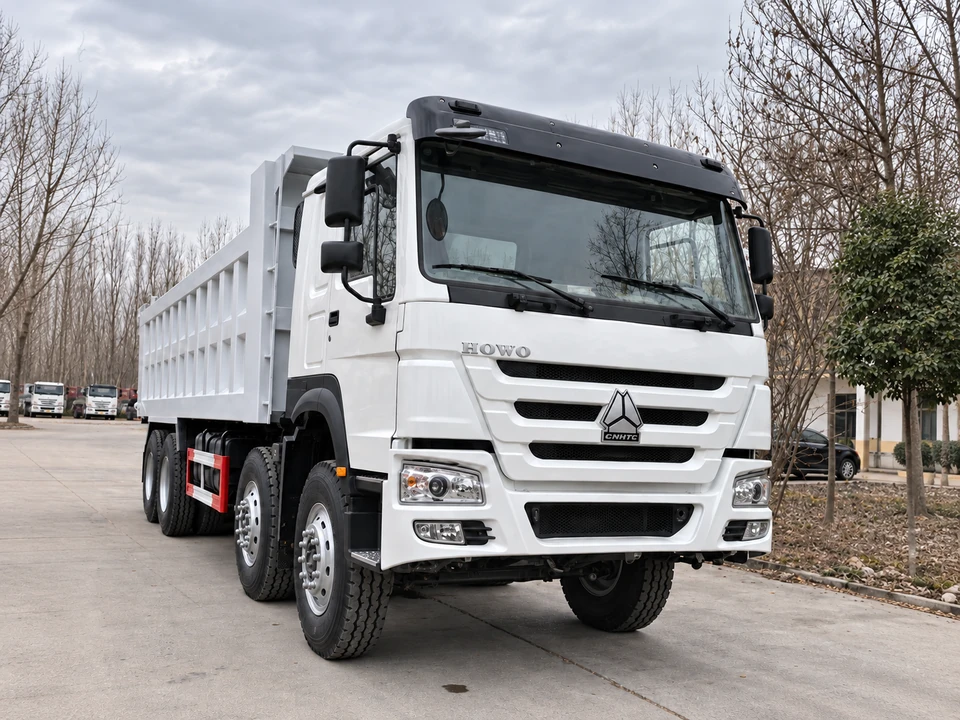
Include the truck model, new or used condition, destination and loading task in your enquiry. Hyva's form also asks for a chassis description and wheelbase, and invites available chassis or coachbuilder drawings as reference. For a used vehicle, obtain current-condition evidence as well as its design specification. The catalogue photo illustrates a HOWO dump truck; its body shape, materials and available configuration require separate confirmation.