
Buying a Used Truck: Check the Cooling System and Coolant Records
Before buying a used truck, request evidence of the fitted cooling equipment, applicable coolant specification, service history and inspection results. Check the radiator air path, hoses and connections, then agree what an operating assessment will cover. Clean paint, a full coolant reservoir or an idling video alone should not replace a documented cooling-system inspection.
Identify the engine, cooling equipment and specified fluid
Ask for the engine identification, vehicle-specific manual and photographs identifying the radiator, expansion tank, fan and associated equipment. Have the seller document replacements or modifications. Request the applicable coolant approval, product name and filling instructions, together with records identifying the fluid now in the system. A factory-fill label is useful evidence, but ask whether later servicing changed that fill.
Volvo's cited VN(4) instructions refer readers to the expansion-tank decal for factory coolant identification and distinguish coolant products and changeover requirements. These are Volvo-specific instructions, not a coolant recommendation for a SHACMAN. For the offered truck, obtain its own documented requirements rather than choosing a fluid from colour or climate alone.
Record hose condition and leak evidence with the engine cool
Arrange the inspection with a competent technician and follow the vehicle's shutdown and cooling precautions. Request close photographs of radiator and heater hoses, clamps, joints, tank and visible leak traces. Record which areas could not be reached. A recently cleaned engine bay should lead to a request for inspection findings, rather than an assumption that the system has no leaks.
Gates identifies soft areas, bulges and cracking near hose ends or clamps as inspection signs. Use these as points for a technician to assess, not as a remote diagnosis from one photograph. Record damaged parts and proposed replacements by their correct application; an apparently similar hose is not enough evidence for a replacement decision.
Inspect the air path and define the operating assessment
Request clear views of the radiator face, charge-air cooler where fitted, and the space between cooling elements. Note visible debris, damaged fins, missing covers or altered ducting for inspection. Volvo's instructions call for keeping the radiator, charge-air cooler and frontal area clear of debris. Ask for the actual truck's approved cleaning method; do not invent a universal washing pressure or direct tools at the core.
Agree an operating assessment with the inspector: record ambient conditions, load, duration, displayed temperature, fan observations and any warnings. State which conditions were actually assessed and which remain untested. If the seller supplies only an idling video, request that distinction in the report. Do not work near the engine fan while the engine is running; Volvo warns that its fan can engage without warning.
Match service and test records to the actual coolant
Ask for the latest coolant change date, odometer or operating-hour reading, named product, dilution details where applicable, and any documented top-ups or cooling repairs. Request the engine manufacturer's inspection, testing and replacement schedule as separate requirements. If testing is proposed, the technician should identify the method and acceptance criteria applicable to that coolant rather than apply an unrelated test-strip result.
The cited Detroit manual gives a specific cleaning and flushing sequence, waste-collection requirements and a warning against removing a hot cooling-system pressure cap. Volvo separately specifies precautions when changing its coolant products. These examples show why an unknown previous fill or undocumented change needs a vehicle-specific service plan, rather than an improvised top-up or flush.
Close inspection gaps before agreeing the purchase
Put unresolved items in the inspection report: unidentified coolant, inaccessible cooling surfaces, missing service evidence, leaks, warnings or an operating test that was not completed. Ask for the proposed corrective work, responsible party and evidence of reinspection. A new hose, fresh coolant or a steady gauge reading should be recorded as an observation, not presented as a guarantee for every route and weather condition.
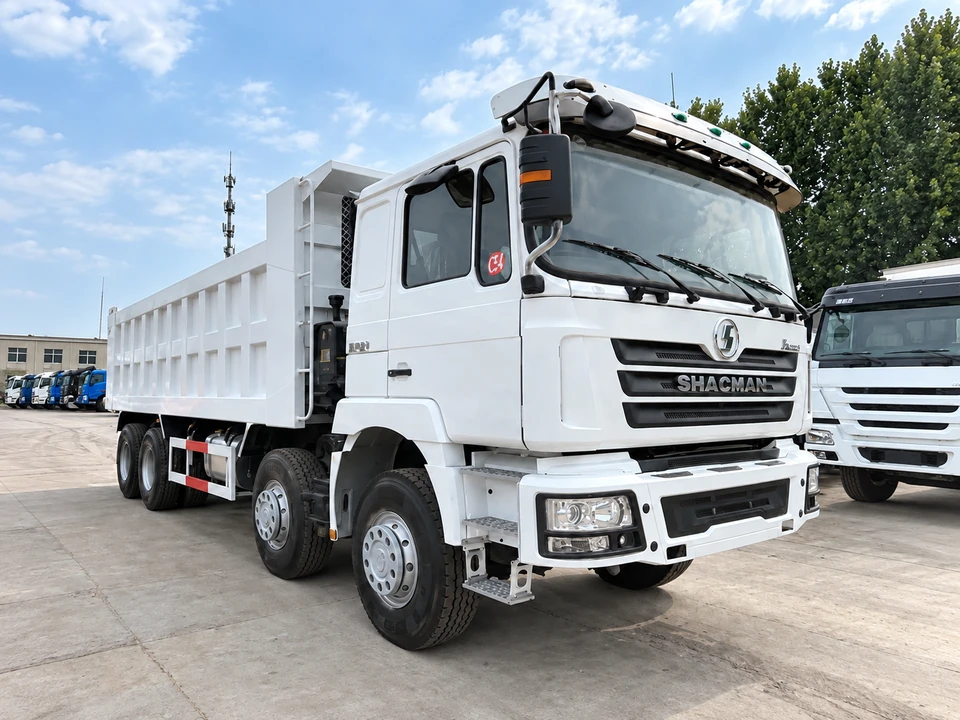
Include the truck model, new or used condition, destination climate and intended work in your enquiry. Request the cooling-equipment photographs, applicable manual, fluid records and inspection report together so the quotation covers the same vehicle. The catalogue image illustrates a SHACMAN dump truck; its cooling package and suitability for your duty require separate confirmation.
Sources and further reading
- Volvo Trucks North America — VN(4) Body Builder Instructions: Coolant Requirements and cooling-system inspection, pages 8–9 (November 2025)
- Gates — Standard Coolant Hose: inspection signs at the hose body, ends and fittings
- Detroit — DD Heavy Duty Platform Operators Manual: Cleaning/Flushing the Cooling System