
Buying a Diesel Truck: Check Fuel Filters and Water Separation
Before buying a diesel truck, identify the filters and water-separation equipment actually fitted, then obtain the matching parts references and service instructions. Check access, warning arrangements and maintenance records. A familiar filter shape or a single micron number is not enough to confirm suitability for the engine or serviceability at destination.
Identify the installed system before ordering filters
Request photographs of the engine identification plate, each fuel-filter housing and readable element numbers. Ask the seller to mark the primary filter, secondary filter and water-separation function on a vehicle-specific parts list or diagram. Record any changed housings or added equipment on a used truck; the original vehicle specification may not describe what is fitted now.
Donaldson explains that primary filtration commonly handles water separation and protects the transfer pump, while secondary filtration protects sensitive injection components. These roles differ. Do not assume that every fuel filter separates water, or infer the whole arrangement from the number of visible canisters. Have the engine or filter supplier confirm the installed configuration.
Compare documented performance, not only a micron number
Cummins distinguishes particle size from retention efficiency: a micron rating describes particle size, whereas efficiency describes the proportion retained. Its example of a seven-micron filter at 98.7% efficiency illustrates why the size number alone is incomplete. That example is not a replacement-filter specification for the truck you are buying.
Ask for the approved element reference for each position and the evidence supporting any substitute. Obtain the applicable particle-removal efficiency and water-separation specification where relevant. Have the supplier confirm the engine application, housing, seals, connections and required performance together. A matching thread or similar appearance should prompt further checking, rather than serve as approval to change the filtration arrangement.
Check water detection and practical service access
Ask how the actual assembly indicates collected water: a bowl, sensor, dashboard warning or another specified method. Request photographs of the drain and enough surrounding space to understand access. During an inspection, have a competent technician check the fitted connections, condition and any relevant warning function against the applicable manual, rather than treating a clean exterior as a system test.
Detroit's cited DD15 Gen 5 manual describes an integrated coalescer with a water-in-fuel dashboard indicator. It also gives a particular drain and priming procedure, and limits the hand primer's use. This is an example of equipment-specific instructions, not a procedure for a HOWO truck. Obtain the correct manual before draining, opening or priming the offered system.
Separate inspection, draining and element replacement
Request the applicable maintenance schedule and keep its inspection, water-draining and filter-replacement requirements as separate entries. Ask which mileage, operating-hour, calendar or condition limits apply to this engine and installation. Do not copy an oil-change interval onto the fuel filters, or apply another engine's drainage procedure because the assemblies look similar.
Include the specified response to a water warning and the approved method for collecting and disposing of drained liquid in the handover instructions. The Detroit example requires collection and responsible disposal; your truck needs its own applicable instructions. If the seller cannot identify the relevant schedule or procedure, keep that gap in the inspection report for resolution before operation.
Keep a usable handover record and destination parts plan
For a used truck, ask for the last documented fuel-filter service date, odometer or hour reading, fitted part numbers and any recorded contamination investigation. A new element alone does not establish the condition of the complete fuel system. Put unidentified parts, unavailable records and any proposed remedial work in writing so the inspection and quotation describe the same vehicle.
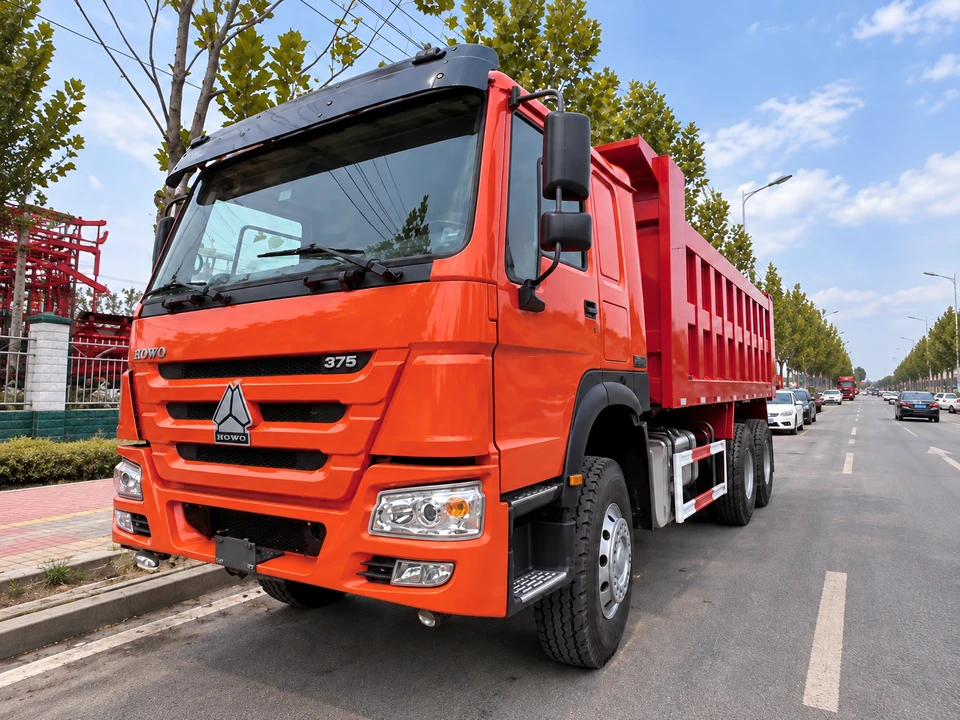
Confirm a destination supplier can identify the approved elements and any required seals or service accessories before buying a spare kit. In your enquiry, include the truck model, engine identification, destination and intended work, then request this filter-and-service document pack. The catalogue photograph illustrates a HOWO truck; its exact filtration equipment requires vehicle-specific confirmation.